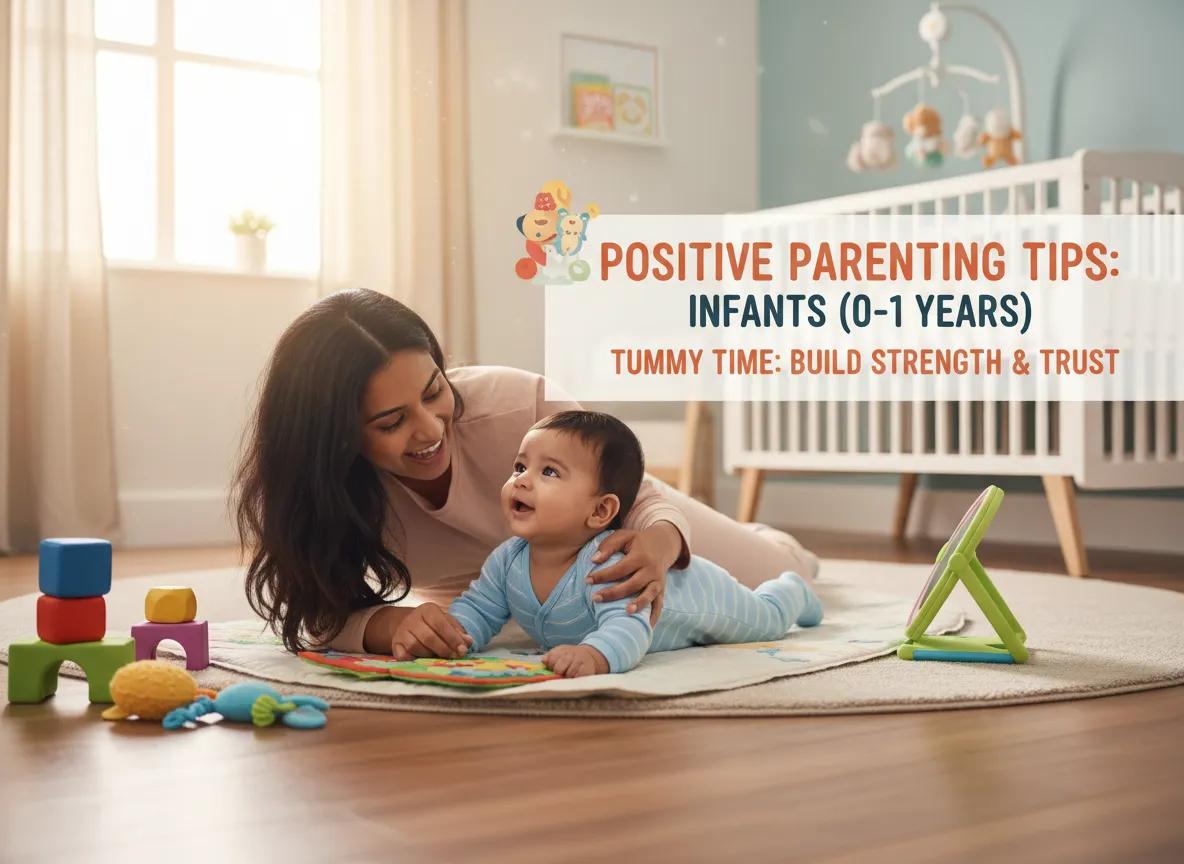
Five Secrets to a Smarter Baby: School Readiness Can Start at Birth
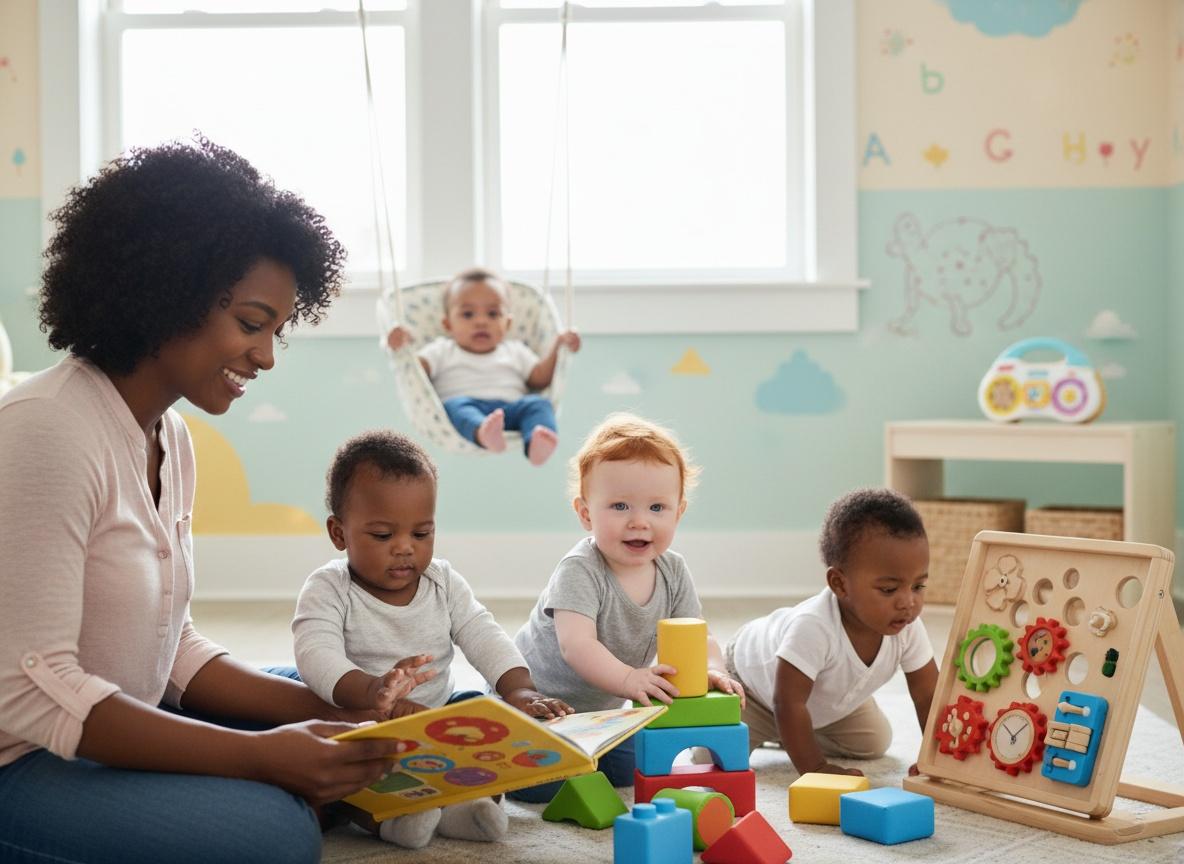
Most parents want the same things for their baby: to be happy, healthy, and ready to learn as they grow. Research on early brain development suggests that a few everyday habits, started from birth, can help raise a child who is curious about the world and better prepared for later learning. Those habits do not require expensive gear or screens.
This article summarises ideas from the American Academy of Pediatrics (AAP) family resource HealthyChildren.org. It is not medical advice; talk with your paediatrician about your child’s needs.
The AAP encourages parents to discuss with their paediatrician how to build a supportive, stimulating home that supports healthy brain development and the social and emotional skills linked to school readiness.
The five Rs of early education (from day one)
Think of these as daily building blocks you can weave into normal life.
1. Read together every day
Make reading a regular, enjoyable family habit, not a chore. It is never too early to read with your baby. Research suggests that being read to boosts activity in brain areas that support language, literacy, and imagination. Over time, that adds up to skills that last.
2. Rhyme, play, talk, sing, and cuddle
Use play, songs, nursery rhymes, chatter, and closeness many times across the day. The AAP highlights play as a way to support health and developmental milestones starting at birth. Name what you see at home, in the shop, or on a walk. When you can, quality early learning activities, children’s museums, libraries, and story times add variety without replacing time with you.
3. Build routines for meals, play, and sleep
Predictable routines help little ones know what comes next and what is expected of them. A calm bedtime pattern (for example brush teeth, share a book, then bed) is one practical structure some families use. Sharing family meals often is also linked to healthier patterns in children in published research. Adjust any template to fit your culture, schedule, and your clinician’s advice.
4. Reward effort and kindness
Notice when your child tries, helps, or persists, and praise the effort, not only the outcome. Warm praise from parents and carers is a strong motivator. Your paediatrician can guide you on positive discipline, modelling behaviour you want to see, and building self regulation, which matters for school and life alongside reading and maths.
5. Grow nurturing, respectful, consistent relationships
A steady, caring bond helps buffer stress and supports wellbeing. Stressful or traumatic experiences can affect how well children do at school; strong relationships are part of protection. Model healthy friendships and respectful partnership in your own life, not only in words. Children learn a great deal from what they watch you do.
You are your baby’s best “learning toy”
No single toy or app replaces daily reading, rhyming, routines, genuine praise, and relationship time. Marketing often promises shortcuts; the evidence backed message from this AAP material is simpler: you are what your child needs most to start on a path toward school readiness.