Newborn Photo Outfits & Wraps: Fabrics, Colors & What Photographers Recommend
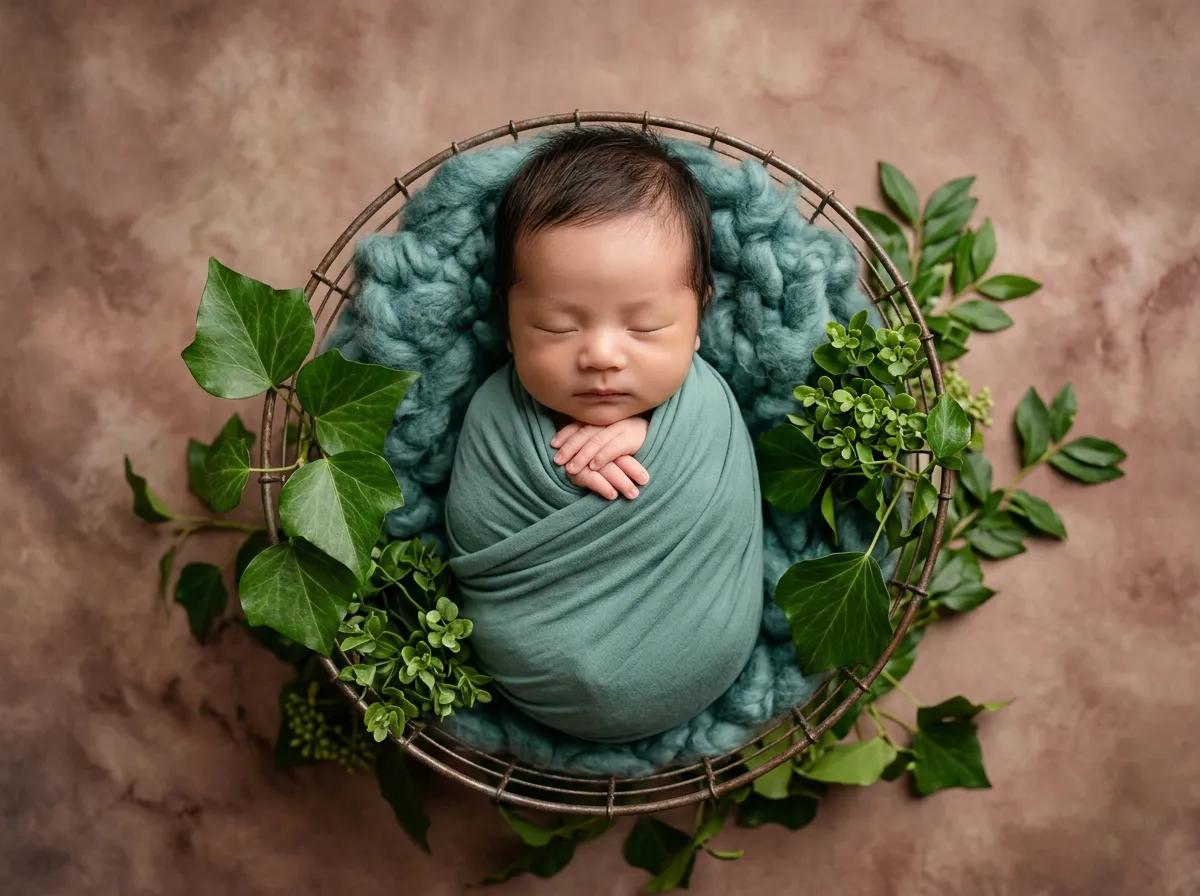
Outfits and wraps do more than dress your baby, they shape light, guide the viewer’s eye, and set the mood of the whole frame. The wrong fabric can photograph shiny or bulky; the wrong color can fight your skin tone or the backdrop. Whether you pack for a studio newborn session, a lifestyle shoot at home, or you are styling yourself for DIY newborn photos, a little planning goes a long way.
Below is a practical guide to fabrics, colors, fit, and family coordination, plus how to align wardrobe with AI generated baby portraits when you use BabyAI.
Fabrics that photograph beautifully
Breathable knits and ribbed wraps mold to the body without stiff folds. Lightweight muslin layers softly and works for swaddles or loose draping. Fine waffle weave and thin jersey can read cozy without heavy bulk.
Fabrics to use cautiously:
- Shiny satin can throw hot spots under studio lights or window sun.
- Thick fleece can swallow small limbs and look shapeless.
- Stiff tulle near bare skin may itch; save dramatic skirts for older babies when approved by your photographer.
- Busy sequins or glitter reflect light unpredictably and distract from the face.
Always trim or tuck clothing tags that might peek out in close crops.
Colors that stay versatile on camera
Soft neutrals, cream, oatmeal, warm white, dusty rose, sage, soft blue gray, tend to flatter many skin tones and pair with common studio backdrops. They also age well in albums; you are less likely to cringe at a neon trend five years later.
If you love bold color:
- Use it as one accent (a wrap edge, a headband, a parent cardigan) rather than head to toe saturation.
- Watch red and magenta near very pink newborn skin; they can amplify redness in unedited previews, your photographer may balance this in post, but moderation helps on set.
Black and deep navy can be stunning for dramatic, high contrast galleries; they require confident lighting so detail does not disappear in shadows.
Fit, warmth, and safety
Newborn sizing should be snug enough that fabric does not bunch under the chin or slide over the eyes, but never tight around the neck or hips.
For wraps:
- Practice a secure swaddle before session day; you will move faster when the baby is calm.
- Avoid covering the nose or mouth; keep airways clear at all times.
- Layer for warmth in cool studios; cold babies fuss.
For hats and headbands:
- Ensure they do not press on the soft spot or leave red marks; photographers often adjust between shots.
Studio vs lifestyle wardrobe notes
Studio posed sessions often rely on simple wraps, diaper covers, or nude with carefully placed hands looks; parents may wear neutral solids for a few holding shots at the end.
Lifestyle at home allows real nursery colors and meaningful objects, a blanket from grandma, a heirloom knit, as long as they do not overwhelm the frame. Keep patterns small or limit to one patterned piece per family group.
Coordinating parents and siblings
Lay out outfits on the bed together a day ahead:
- One patterned piece maximum for the whole family, or skip patterns entirely for a calmer look.
- Avoid logos and neon athletic wear unless that is intentionally your brand as a family.
- Shoes: clean, simple, or barefoot at home, scuffed sneakers draw the eye downward in full length shots.
For siblings under three, pack a backup outfit and snacks; happy toddlers matter as much as perfect palettes.
Accessories: less is often more
Tiny bonnets and simple headbands photograph well when proportionate to the head. Skip oversized bows that hide the face. Scratch mittens can help if nails are sharp but remove them for hand detail shots if you want fingers visible.
Matching themes with BabyAI
When you plan to add themed or studio style portraits via AI, your real world wardrobe still matters for reference photos. Clean lines, good light, and uncluttered necklines help algorithms interpret skin and pose.
Browse our gallery for themes you love, then upload strong references through BabyAI. Package details live on pricing.
Packing checklist for session day
- [ ] Two neutral onesies or wraps as backups
- [ ] Burp cloth and extra diaper
- [ ] Parent/sibling outfits steamed or hung to reduce wrinkles
- [ ] Lint roller for dark tops
- [ ] Any sentimental item pre approved by your photographer
Frequently asked questions
Should we all match exactly?
No, coordinate instead. Vary shades in the same family (cream, sand, soft olive) rather than identical T shirts unless that is your intentional aesthetic.
Are white outfits okay?
Yes, if fabrics are not see through under lights and you have backup layers for spit up.
Can AI change my baby’s outfit in the final image?
AI tools can suggest themed looks, but starting from clear photos of your baby yields the most natural results. Ask your provider what is realistic for the package you choose.